
Don't Toews Me
Footballguy
Thread: https://twitter.com/Tatarigami_UA/status/1742640415722086764
 www.understandingwar.org
Analyzing the early 2024 Frontline Dynamics.
Thread
Ukrainian troops started this year with some challenges. Russian offensives and missile attacks seal a strategic initiative shift, but the overall outlook is acceptable for the AFU, despite upcoming Russian tactical gains
2/ We expect Russian forces to continue assaults in areas like Kupyansk-Lyman, Bohdanivka-Kostyantynivka, Novobakhmutivka-Novomykhailivka, and potential counter-attacks in the southern regions, particularly the Robotyne area and Krynky.
3/ Winter 2023 also saw a strategic initiative shift to Russian forces after Kherson's liberation, leading to sustained offensives in Vuhledar, Kreminna, and Bakhmut. While Bakhmut was captured, humiliating defeats occurred in places like Vuhledar.
4/ Synkivka, Kharkiv Oblast.
Russia persists in assaulting Syn'kivka, Kharkiv oblast, a defense point northeast of Kupyan'sk. Satellite imagery shows intense artillery damage and scorch marks on both sides. Current data suggests a significant Russian troop presence.
5/ Avdiivka, Donetsk oblast.
The situation in Avdiivka stays stable, without breakthroughs or collapses. Despite losses, including 211 destroyed vehicles from October to November, Russians advanced near the AKHZ plant, towards Novobakhmutivka, Stepove, and the industrial zone.
6/ Avdiivka, Donetsk oblast.
Satellite imagery and ground reports confirm a sustained Russian assault towards Novobakhmutivka and Stepove, evident from visible scorch marks. Infantry assaults continue in the AKHZ area.
7/ The Bakhmut area
The Bakhmut area is likely to become a hot zone this winter, as Russians concentrate forces on the offensive. They aim to reclaim lost positions. With Khromove falling and progress in Bohdanivka, increased pressure is expected in the direction of Chasiv Yar.
8/ Russian forces possess an advantage in ammunition and artillery numbers potentially leading to tactical successes. The defense of Klischiivka and Andriivka is challenging as both are ruined, rendering structures barely usable for defense
9/ Mariinka, Novomykhailivka, Vulhedar
Amid Mariinka's critical situation and progress in Novomykhailivka, the Russian army aims to cut Vuhledar's rear and logistics, intending to initiate a siege and compel defenders to retreat.
10/ While our team refrains from definitively assessing the likelihood of success, it is apparent that the Russians have succeeded in pushing Ukrainian artillery far enough to hinder their effective engagement of the railroad between Donetsk and Mariupol.
11/ The current situation for Ukrainian troops is difficult due to personnel shortages from mobilization setbacks and ammo shortages stemming from the US Congress's failure to approve aid. While some may view this as catastrophic, our team has a relatively positive outlook
12/ Russian forces lack the advantage for a strategic shift, reducing the likelihood of their successes. Tactical losses are expected, resembling Ukrainian successes near Bakhmut earlier in the summer, where gains didn't alter the overall balance of forces.
Russian military analysts are debating the usefulness of large, heavy combat drones that did not perform in Ukraine as expected. Still, they say the production of heavy drones should not be abandoned, especially for potential military conflicts "in which Russia’s participation may be required."
Institute for the Study of War
Ukrainian military officials reported that Ukrainian forces struck at least one Russian military target in occupied Crimea, while Russian officials and milbloggers claimed that the Ukrainian strike was unsuccessful. Ukrainian Armed Forces Center for
Russia may be intensifying efforts to source ballistic missiles from abroad because these missiles appear to be more effective at striking targets in Ukraine in some circumstances. Russian forces routinely use short-range ballistic missiles to strike Ukrainian cities closer to the frontline, and these missiles appear to be more effective at penetrating or avoiding Ukrainian air defenses. Ukrainian air defenses have intercepted 149 of a reported 166 Russian cruise missiles in intensified attacks since December 29, 2023, but have only intercepted a handful of the ballistic missiles that Russia has launched at Ukraine in the same period, for example.[8] Russian forces have repurposed S-300 and S-400 air defense missiles for conducting strikes against surface targets in Ukraine, and Ukrainian officials have acknowledged that Ukrainian air defenses struggle to intercept these unorthodox missile attacks using their own S-300 and S-400 systems.[9] Ukrainian forces have also appeared to be less successful in intercepting Iskander ballistic missiles during recent strikes, although Ukrainian forces did intercept an Iskander-M missile during a less intense series of Russian missile and drone strikes on December 30.[10] Ukrainian forces reportedly intercepted all Iskander-M or S-300/S-400 missiles that Russian forces launched at Kyiv on December 12.[11] Ukrainian forces reportedly also intercepted all 10 Kinzhal missiles that Russian forces launched at Ukraine on January 2 with Western-provided Patriot systems.[12] The effectiveness of Russian ballistic missiles thus appears to depend in part on the configuration of Ukraine’s air defense umbrella in the target area and the strike package of which the missiles are part.
The relative success that Russian forces have had in striking targets in Ukraine with ballistic missiles in combination with cruise missiles and drones may be prompting an intensification of Russian efforts to source ballistic missiles from abroad. Russia can reportedly produce roughly 42 Iskander missiles and four Kinzhal missiles per month, although it is unclear how many S-300/S-400 missiles Russia can produce.[13] Russia‘s defense industrial base (DIB) likely cannot produce ballistic missiles at the scale required for a persistent strike campaign in Ukraine that relies on regularly expending a large volume of ballistic missiles, and Russia likely has to source ballistic missiles from abroad if it wishes to maintain large-scale missile strikes against Ukraine.






 demands were a puppet regime in Kyiv, trials against democratic leaders, no Western cooperation and a radical reduction of
  forces. It wasn’t an opportunity for peace that was missed - it was demands for capitulation that were rejected.

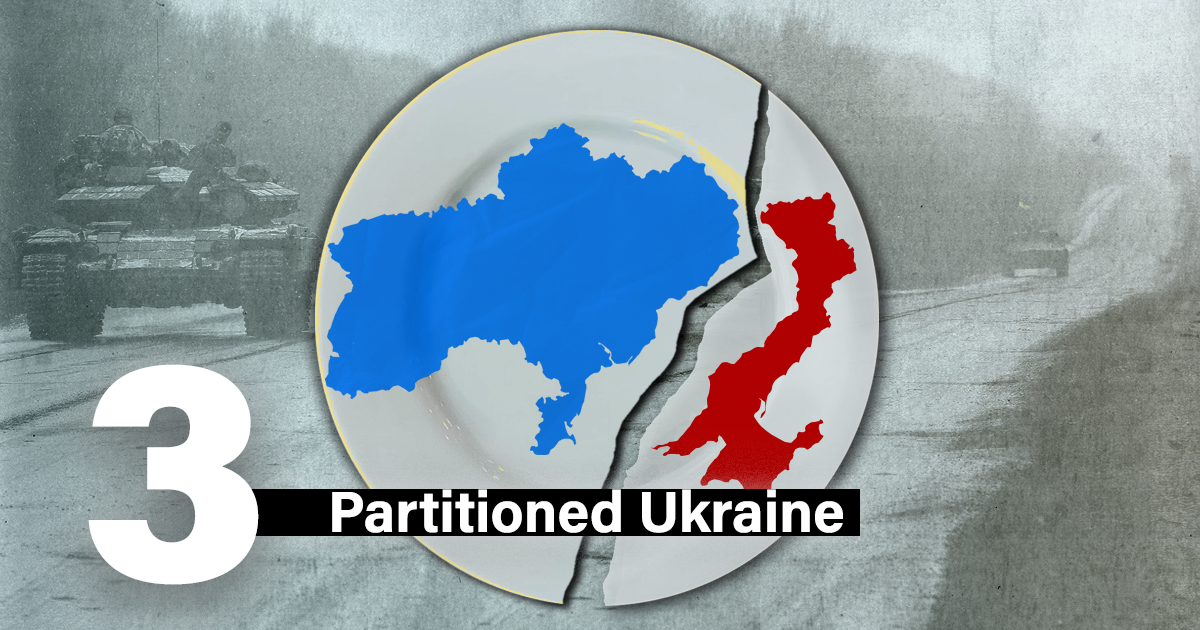
 interregional inequality.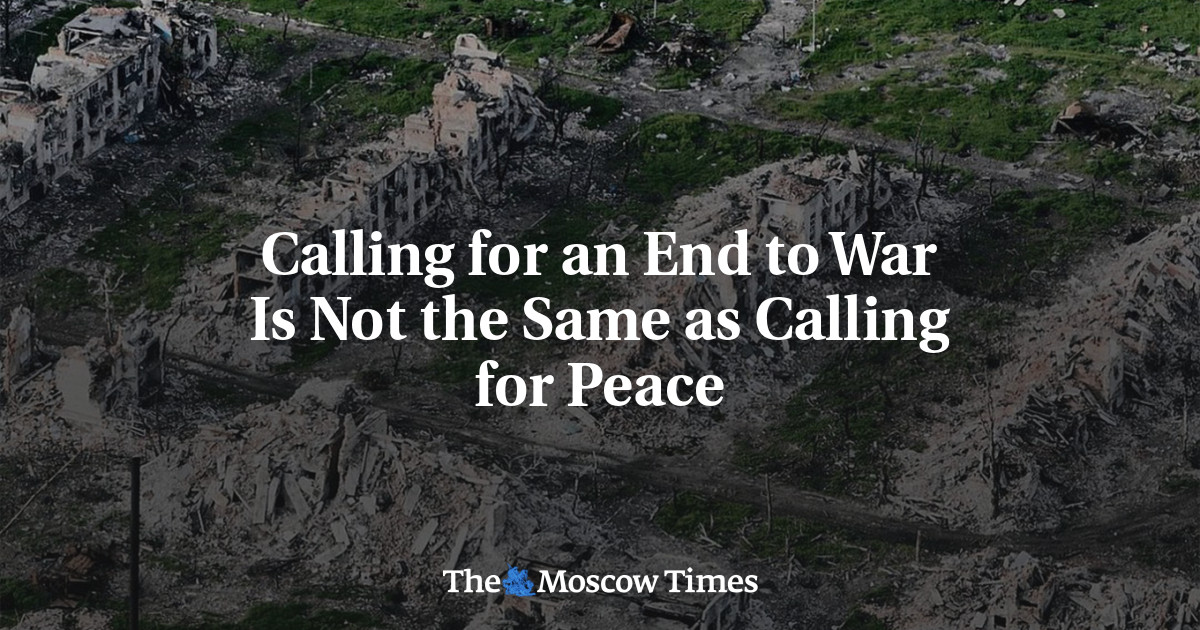













 The suicide tank at the head of the convoy acted as a deminer and our guys thought until the end that it was on remote control. BMP immediately disembarked the infantry and retreated. The infantry was hit immediately, it was not possible to calculate the losses. Some of the AFVs were destroyed, the footage can be seen in the previous video on the channel. As for the two waves near Kamyanka, about 20 people from two platoons were killed and wounded. The rest ran away.
 Amazing additional footage from the
  ️ Zelensky: "Patriot" is the most effective Air Defence system in the world today ... I must bow deeply to its creators ... Both Russians and our partners are in shock."


 will provide 'hundreds' of AASM 'HAMMER' guided bombs/ bomb kits to


![[icon]](/data/avatars/s/5/5167.jpg?1660313464)