

Fantasy Football - Footballguys Forums
You are using an out of date browser. It may not display this or other websites correctly.
You should upgrade or use an alternative browser.
You should upgrade or use an alternative browser.
*** Official Russia vs. Ukraine Discussion - Invasion has begun *** (2 Viewers)
- Thread starter Jayrod
- Start date
Don't Toews Me
Footballguy

U.S. Advised Ukraine Against Covert Attacks in Russia During Mutiny, Officials Say
Washington asked Kyiv not to do anything that would either try to influence the outcome of events or take immediate advantage of the chaos, according to American officials.
The caution from the United States came largely because of uncertainty about how events would unfold. The intelligence that U.S. spy agencies developed in the days before the rebellion began did not include Mr. Prigozhin’s plans to take the city of Rostov and then march on Moscow, the officials said.
Some U.S. officials believe Mr. Prigozhin was improvising much of his plan as he marched toward Moscow. That could explain the cloudy intelligence around how he intended the endgame of his rebellion to play out, officials said.
American officials feared a much bloodier outcome from likely clashes between Wagner forces moving north toward Moscow and Russian security personnel along the way, one senior U.S. military official said.

Russian Gen. Sergey Surovikin was secret VIP member of Wagner, documents show
President Vladimir Putin said he "did not doubt" the support of Russian citizens during the short-lived Wagner mutiny, according to a Kremlin readout. But as the dust settles, Russian military leaders face questions. Follow here for live updates.
Documents shared exclusively with CNN suggest that Russian Gen. Sergey Surovikin was a secret VIP member of the Wagner private military company.
The documents, obtained by the Russian investigative Dossier Center, showed that Surovikin had a personal registration number with Wagner. Surovikin is listed along with at least 30 other senior Russian military and intelligence officials, who the Dossier Center said are also VIP Wagner members.
Surovikin has not been seen in public since last Saturday, when he released a video pleading for Wagner boss Yevgeny Prigozhin to stop his insurrection. His whereabouts have since remained unknown.
Surovikin is a decorated commander of the Russian Air Force and became nicknamed “General Armageddon” for his ruthless tactics bombing cities in Syria.
Wagner has not answered CNN’s request for a response. It is unclear what Wagner’s VIP membership entails, including whether there is a financial benefit.
Surovikin was known to have links with the mercenary group, but the documents raise questions about the closeness of senior members of the Russian military and Wagner.

themeistersinger
Footballguy
I guess it's possible that Putin allowed the mutiny to go on a little longer, to see who would help the mutiny, who would stand aside, and who would fight the mutiny. Assuming some of the quotes in the above articles are correct that Putin did have some idea it was coming. If he was extremely confident he would win in the end, letting it run for a bit could have advantages for him.
themeistersinger
Footballguy
"The U.S. is close to approving a long-range missile system [ATACMS] for Ukraine that could shift the tide of Kyiv’s fight against Russian invaders in its favor, U.S. and European officials said.
@vmsalama
https://wsj.com/articles/u-s-c
themeistersinger
Footballguy
The US is strongly considering sending cluster munitions (DPICM) to Ukraine."Changing battlefield conditions inside Ukraine over the last 2 weeks have prompted US officials to give the cluster munitions renewed and serious consideration"
@NatashaBertrand
https://edition.cnn.com/2023/06/29/pol
Don't Toews Me
Footballguy
It is also one of those calls that if never happened no one would ever call me out on it. I am sure if someone went through all my posts in here there would be some things I said that would make me look silly.Dude.... if I could, I would, for me first though. I just have all this worthless (at least as a mortgage broker) knowledge and spend way too much time paying attention to stuff like this. There were some indications that it just seemed to me that he was trying to position himself for something like he did. I hit on that. Have missed on more than my fair share too.I think Prigozhin is positioning himself for a coup attempt.
@Chadstroma looking like Nostradamus over here from June 1^
I'd like the winning lottery ticket numbers for the next drawing for the Mega Millions as well, sir.....TIA.
It was definitely a great call on your part. I was scrolling through the other day and saw that prophetic prediction and had to bring it up considering the last few days.
Ha sometimes I go back to my own posts and think "Wow I was way off."
Your original prediction is a perfect example of that because when I read that post in early June, I remember thinking, "no way!".......And a few weeks later, here we are!
themeistersinger
Footballguy

There’s No Such Thing as a Great Power
How a dated concept distorts geopolitics.
Don't Toews Me
Footballguy

Russia Appears to Have Detained Top General in Post-Mutiny Crackdown, U.S. Officials Say
The circumstances surrounding Gen. Sergei Surovikin’s status are still very murky. U.S. officials cautioned that the intelligence reports were not conclusive and could not provide further details.
The circumstances surrounding the status of the general, Sergei Surovikin, are still very murky. U.S. officials cautioned that the reports were not conclusive and said they could not provide further details.
American officials would not say — or do not know — if he was formally arrested or just held for questioning.
A senior NATO-country diplomat said that firm intelligence was lacking, but that careful comments by Kremlin spokesman Dmitri S. Peskov on Thursday in which he deflected questions about General Surovikin’s whereabouts seemed to confirm the general’s detention.
One popular account posted a recording of an interview with a woman it said was General Surovikin’s daughter, who denied that her father had been arrested. “Nothing happened to him,” she said. “He’s at his work location.” The account could not be independently verified.
American intelligence agencies have been trying to learn more about the general’s potential role in the rebellion: whether he simply knew about it or helped plan the revolt, which has come to be seen as the most dramatic threat to President Vladimir V. Putin in his 23 years in power.
themeistersinger
Footballguy
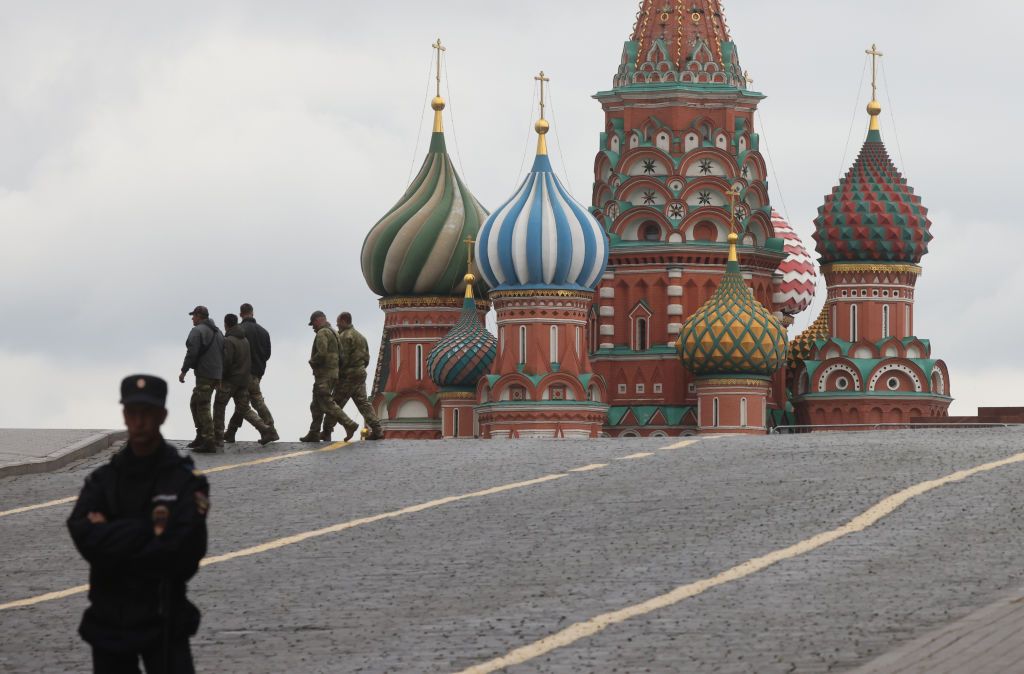
Military intelligence: 'War between FSB and Russian Defense Ministry in active phase'
The conflict between the Federal Security Service and Russia's Defense Ministry is entering an active phase after the Wagner Group's rebellion, military intelligence representative Andrii Cherniak told RBC Ukraine on June 29.
Don't Toews Me
Footballguy
On the ATACMS story: https://twitter.com/DAlperovitch/status/1674520714769059842
I would urge caution with this story. I'm hearing that no such approval decision is likely to come soon
More than a dozen Russian helicopters and new vehicle tracks are visible in recent satellite imagery of Russian-occupied Berdyansk airport.
https://twitter.com/bradyafr/status/1674508036210302976/photo/1
Chadstroma
Footballguy
I don't see this.I guess it's possible that Putin allowed the mutiny to go on a little longer, to see who would help the mutiny, who would stand aside, and who would fight the mutiny. Assuming some of the quotes in the above articles are correct that Putin did have some idea it was coming. If he was extremely confident he would win in the end, letting it run for a bit could have advantages for him.
Putin is not in a strong position. He wasn't in a strong position during this. Some were saying Wagner had no chance for success and I don't think that that is the case. I think Prigozhin blinked because all indications were that the internal security and military had very little interest in fighting Wagner. The little bit combat did happen showed Wagner actually 'winning' with it's downing of the multiple helo's a(I think three were very rare and important electronic warfare versions) and at least one very important C&C aircraft (they only have about 20 of those to begin with) while losing a couple of armored vehicles and a Russian version of a hummer.
It is suspected (and I believe) that Putin left the Kremlin for one of his hideway estates. Further evidence to me that Putin was scared is that he was not coming out and communicating. Making his pitch to the military and Russian people. If you believe you are in total control, then you do that.
From what we saw, I do believe this would have succeeded in toppling Putin if Prigozhin pushed forward. All indications were that most military was on some degree of sympathetic to Wagner to wanting to wait and see what happens.
For him to have let it play out longer to see who was really or really not on board is a luxury I don't think Putin had.
themeistersinger
Footballguy
Yes, Putin definitely fled Moscow, and adopted the stony silence of Stalin following Hitler's launching his invasion (although not nearly as long as Stalin). A lot depends on if he had intelligence this was coming or not. If he did, he could have had some units he was sure he could trust, and some he was not so sure about. Another question would be how many guys did Prigo really have with him? If it was 25,000 (one of the early estimates), that would be frightening. But if it was only 5,000 (one of the later estimates) he could be confident he would win.I don't see this.I guess it's possible that Putin allowed the mutiny to go on a little longer, to see who would help the mutiny, who would stand aside, and who would fight the mutiny. Assuming some of the quotes in the above articles are correct that Putin did have some idea it was coming. If he was extremely confident he would win in the end, letting it run for a bit could have advantages for him.
Putin is not in a strong position. He wasn't in a strong position during this. Some were saying Wagner had no chance for success and I don't think that that is the case. I think Prigozhin blinked because all indications were that the internal security and military had very little interest in fighting Wagner. The little bit combat did happen showed Wagner actually 'winning' with it's downing of the multiple helo's a(I think three were very rare and important electronic warfare versions) and at least one very important C&C aircraft (they only have about 20 of those to begin with) while losing a couple of armored vehicles and a Russian version of a hummer.
It is suspected (and I believe) that Putin left the Kremlin for one of his hideway estates. Further evidence to me that Putin was scared is that he was not coming out and communicating. Making his pitch to the military and Russian people. If you believe you are in total control, then you do that.
From what we saw, I do believe this would have succeeded in toppling Putin if Prigozhin pushed forward. All indications were that most military was on some degree of sympathetic to Wagner to wanting to wait and see what happens.
For him to have let it play out longer to see who was really or really not on board is a luxury I don't think Putin had.
I can't imagine that Prigozhin would have backed down if he was confident of victory. His soldiers were stretched out over a long road and were highly vulnerable if there was an opposition to confront him. He may have realized that such an opposing force was forming, despite the early lack of opposition. Mid-level officers in Russia do not show initiative - if some General didn't order them to shoot at Wagner, then they would not shoot. So in the absence of orders they simply did nothing.
If Putin felt he had enough units that he was sure about, he could let the ones suspected of ambivalence or even outright support for Wagner to show themselves. Smoking out the ones that are not 100% with the program would be important to a dictator.
I'm not saying my scenario above is the most likely, just that it is possible, and given the extremely limited actual information available to us, we should be cautious in drawing conclusions.
Chadstroma
Footballguy
In my view, it is improbable.Yes, Putin definitely fled Moscow, and adopted the stony silence of Stalin following Hitler's launching his invasion (although not nearly as long as Stalin). A lot depends on if he had intelligence this was coming or not. If he did, he could have had some units he was sure he could trust, and some he was not so sure about. Another question would be how many guys did Prigo really have with him? If it was 25,000 (one of the early estimates), that would be frightening. But if it was only 5,000 (one of the later estimates) he could be confident he would win.I don't see this.I guess it's possible that Putin allowed the mutiny to go on a little longer, to see who would help the mutiny, who would stand aside, and who would fight the mutiny. Assuming some of the quotes in the above articles are correct that Putin did have some idea it was coming. If he was extremely confident he would win in the end, letting it run for a bit could have advantages for him.
Putin is not in a strong position. He wasn't in a strong position during this. Some were saying Wagner had no chance for success and I don't think that that is the case. I think Prigozhin blinked because all indications were that the internal security and military had very little interest in fighting Wagner. The little bit combat did happen showed Wagner actually 'winning' with it's downing of the multiple helo's a(I think three were very rare and important electronic warfare versions) and at least one very important C&C aircraft (they only have about 20 of those to begin with) while losing a couple of armored vehicles and a Russian version of a hummer.
It is suspected (and I believe) that Putin left the Kremlin for one of his hideway estates. Further evidence to me that Putin was scared is that he was not coming out and communicating. Making his pitch to the military and Russian people. If you believe you are in total control, then you do that.
From what we saw, I do believe this would have succeeded in toppling Putin if Prigozhin pushed forward. All indications were that most military was on some degree of sympathetic to Wagner to wanting to wait and see what happens.
For him to have let it play out longer to see who was really or really not on board is a luxury I don't think Putin had.
I can't imagine that Prigozhin would have backed down if he was confident of victory. His soldiers were stretched out over a long road and were highly vulnerable if there was an opposition to confront him. He may have realized that such an opposing force was forming, despite the early lack of opposition. Mid-level officers in Russia do not show initiative - if some General didn't order them to shoot at Wagner, then they would not shoot. So in the absence of orders they simply did nothing.
If Putin felt he had enough units that he was sure about, he could let the ones suspected of ambivalence or even outright support for Wagner to show themselves. Smoking out the ones that are not 100% with the program would be important to a dictator.
I'm not saying my scenario above is the most likely, just that it is possible, and given the extremely limited actual information available to us, we should be cautious in drawing conclusions.
If he felt that secure, he would never have left the Kremlin. Leaving shows weakness. (it is also in stark contrast to Zelenskyy who not only did not flee but his family didn't and he refused offers from us to get him out). Beyond Putin's ego, being seen as strong in Russia is all important.
Putin was scared. He had reason to be. Thus, I just don't see this as a real possibility. But I am just some American in the burbs of Chicago with no access to real intelligence so take it with a heaping of salt.
Chadstroma
Footballguy
From the Captain Obvious files... (or the title) but otherwise some good background info
Russia Plotting To Assassinate Prigozhin, Ukraine's Spy Boss Tells Us
Russia Plotting To Assassinate Prigozhin, Ukraine's Spy Boss Tells Us
Last edited:
themeistersinger
Footballguy

Vice president of Russian bank falls to her death in Moscow apartment
Kristina Baikova is the latest mysterious casualty involving Russia's top business people. She allegedly fell from her apartment on the Khodynsky Boulevard in the early hours of Friday.
Her boyfriend seems the most likely suspect, but since everybody assumes it's the FSB, he might get away with it (or take the fall for it unjustly if really was the FSB)

Dinsy Ejotuz
Footballguy
The Ukrainian General Staff stated that Ukrainian forces seized the “strategic initiative" in the Bakhmut direction and are currently conducting a broad offensive in the area.[1] Ukrainian Deputy Defense Minister Hanna Malyar similarly stated that Ukrainian forces seized the “operational initiative” in the area and reported that Ukrainian forces advanced 1,200m in the direction of Klishchiivka (7km southwest of Bakhmut) and 1,500m in the direction of Kurdyumivka (13km southwest of Bakhmut).[2] Ukrainian Commander in Chief General Valeriy Zaluzhnyi also stated that Ukrainian forces have the “strategic initiative" in a phone conversation with Chairman of the US Joint Chiefs of Staff General Mark Milley on June 29.[3]ISW previously assessed that Ukrainian forces had gained the initiative at every level of war across almost the entire front following the Russian capture of Bakhmut on May 21.[4] Ukrainian officials are likely now acknowledging that Ukrainian forces possess the initiative in order to signal that Ukrainian forces intend to leverage it to a greater degree.
themeistersinger
Footballguy
In Bulgaria, an ammunition depot of a businessman who supplied weapons to Ukraine explodedResidents of Karnobat woke up due to a series of strong explosions, writes BNR.This is the second fire in a year at the warehouse of arms dealer Emilian Gebrev. Otur.

Bulgaria’s economy minister hints Russians attacked ammo factory
Bulgaria is an important exporter of weapons to Ukraine
This article is from 2021

How GRU Sabotage and Assassination Operations in Czechia and Bulgaria Sought to Undermine Ukraine - bellingcat
Data reveals that the 2014 explosions at an arms depot in Czechia were part of a longer-term GRU operation aimed at disrupting arms sales to Ukraine.
 www.bellingcat.com
themeistersinger
Footballguy
"Don't see why not," - Chinese Ambassador to the EU Fu Cong, when asked about support for Ukraine's goal to reach the 1991 borders. The ambassador believes that Beijing can support the territorial integrity of Ukraine within the 1991 borders.
themeistersinger
Footballguy
Interesting footage of a Ukrainian assault from south of Bakhmut; starts with at least 2 x mine clearing line charges then light armour advances across the field and suppresses the tree line as infantry dismount. Seems like a well coordinated push.
themeistersinger
Footballguy

Damning Evidence: Russia’s Culpability in Ukraine's Biggest Ecological Disaster Since Chernobyl
While the US has been reluctant to assign blame for the destruction of the Kakhovka Dam and Hydroelectric Plant, all available data points to the obvious culprit: Moscow
 newlinesmag.com
Chadstroma
Footballguy
Apparently there is "something else" going on right now per Ukrainian Intelligence.
themeistersinger
Footballguy
The ripples from the Wagner mutiny in Russia over the weekend continue to propagate across the Russian systems. A quick assessment of the impact on Russia’s ‘fighting power’. 1/25
Thread by @WarintheFuture on Thread Reader App
@WarintheFuture: The ripples from the Wagner mutiny in Russia over the weekend continue to propagate across the Russian systems. A quick assessment of the impact on Russia’s ‘fighting power’. 1/25 🧵 2/ The leader of...…
 threadreaderapp.com
themeistersinger
Footballguy

Prigozhin’s putsch: Putin won’t forget, or forgive | The Strategist
Almost 82 years to the day since Hitler’s invasion of the Soviet Union began what Russia calls the ‘Great Patriotic War’, a more modest invasion, orchestrated by one of Vladimir Putin’s close associates, claimed ‘patriotism’ ...
themeistersinger
Footballguy

Wagner drama drags Belarus deeper into Russia’s wartime turbulence
News that Wagner chief Yevgeniy Prigozhin and many of his battle-hardened troops will be exiled to Belarus has sparked concerns that the country is being dragged further into Russia's wartime turmoil, writes Hanna Liubakova.
 www.atlanticcouncil.org
themeistersinger
Footballguy


Don't Toews Me
Footballguy
Institute for the Study of War
The Ukrainian General Staff stated that Ukrainian forces seized the "strategic initiative" in the Bakhmut direction and are currently conducting a broad offensive in the area. Ukrainian Deputy Defense Minister Hanna Malyar similarly stated that Ukrainian
Ukrainian forces conducted offensive operations in at least two other sectors of the front and reportedly made gains on June 29. The Ukrainian General Staff reported that Ukrainian forces continued offensive operations in western Zaporizhia Oblast and on the administrative border between Zaporizhia and Donetsk oblasts.[5]The Ukrainian General Staff reported that Ukrainian forces achieved partial success along the Rivnopil-Volodyne line (up to 16km southwest of Velyka Novosilka).[6]
Ukraine Hits Russian Defenses From a Distance Before Risking Troops
With ground counteroffensive stalled, Kyiv tries to interrupt the Kremlin’s supply lines and degrade its forces.
 www.wsj.com
The Russian soldiers scurried into a building carrying a rocket-propelled grenade launcher. From his command post a few miles away, Ukrainian Sgt. Heorhiy Volkov was watching a live feed from an aerial drone.
Volkov, the drone team’s commander, called an artillery unit.
“Smash it,” he said.
Ten minutes later, a shell crashed through the roof of the house, 2 miles south of the front line in the southern Zaporizhzhia region. Three Russians ran out, tracked by the drone as they fled down the street.
This is what the pause in Ukraine’s counteroffensive looks like. After encountering stiff Russian resistance to their initial ground assault earlier this month, Ukrainian commanders have largely held off sending large infantry formations and Western tanks to assault Russian positions.
Instead, Kyiv is making targeted strikes, trying to soften Russian defenses for the next attack.
Ukrainian forces are using long-range Western weapons to hit Russian supply lines deep in occupied territory. Last week, British cruise missiles struck a key bridge that the Kremlin has used to move supplies from Crimea—which Moscow seized in 2014—to the front lines in southern Ukraine.
But they are also trying to degrade the first lines of Moscow’s defenses along the front—using cheaper weaponry to hit Russian artillery pieces, ammunition depots and electronic jammers, and mapping which fields are mined.
They have also continued probing attacks, retaking the village of Rivnopil this week, although some other forays yielded little. And Ukrainian forces haven’t yet approached the defenses Russians have constructed—including antitank trenches and other barriers—about a dozen miles behind the front lines.
“The offensive isn’t going very fast because we’re trying to save the troops,” said a 49-year-old member of Volkov’s drone team, who goes by the call sign Bourgeois. “It takes some time to prepare the ground. We need to destroy as much as possible before sending the troops in.”
Still, when the ground assault began early this month, Volkov said, the Ukrainians were “kind of shocked” by the extent of the Russian defenses. At least three defensive lines were prepared. Trenches had been dug with tractors and reinforced with concrete. Hiding spots had been prepared for tanks and other vehicles. Paths were paved with gravel, so heavy vehicles wouldn’t get stuck in the mud during rainstorms.
“It was simple stuff, but when it’s all combined, it’s a big defensive system,” Volkov said.
Don't Toews Me
Footballguy
Ukraine’s top general, Valery Zaluzhny, wants shells, planes and patience
In a rare, wide-ranging interview with The Washington Post, Zaluzhny expressed frustration that while his biggest Western backers would never launch an offensive without air superiority, Ukraine still has not received modern fighter jets but is expected to rapidly take back territory from the occupying Russians. American-made F-16s, promised only recently, are not likely to arrive until the fall — in a best-case scenario.
His troops also should be firing at least as many artillery shells as their enemy, Zaluzhny said, but have been outshot tenfold at times because of limited resources.
So it “pisses me off,” Zaluzhny said, when he hears that Ukraine’s long-awaited counteroffensive in the country’s east and south has started slower than expected — an opinion publicly expressed by Western officials and military analysts and also by President Volodymyr Zelensky, though Zaluzhny was not referring to Zelensky. His troops have gained some ground — even if it’s just 500 meters — every day, he said.
“This is not a show,” Zaluzhny said Wednesday in his office at Ukraine’s General Staff headquarters. “It's not a show the whole world is watching and betting on or anything. Every day, every meter is given by blood.”
“Without being fully supplied, these plans are not feasible at all,” he added. “But they are being carried out. Yes, maybe not as fast as the participants in the show, the observers, would like, but that is their problem.”
The questions that weigh on him daily: When will Ukraine’s Western partners provide the arms he needs, particularly more ammunition and the F-16s? And how can he be expected to get the job done without them?
Zaluzhny said he relays his concerns to Milley, whom he has grown to deeply admire and considers a friend, several times per week in conversations that can last hours. “He shares them absolutely. And I think he can help me get rid of those worries,” Zaluzhny said, adding that he told Milley on Wednesday how many more artillery shells he needs per month.
Ahead of the long-planned counteroffensive, Ukraine for the first time received Western battle tanks, including German-made Leopards and infantry fighting vehicles. Moscow’s troops have established a land corridor between mainland Russia and Crimea, the Ukrainian peninsula illegally annexed in 2014 where Russia has several military installations. Severing that link would deal a significant blow to Russia’s ability to resupply its forces.
Those tanks and fighting vehicles debuted on the battlefield when the counteroffensive kicked off earlier this month. Several have already been destroyed, Zaluzhny acknowledged, adding that “we didn’t get Leopards to ride in parades or have politicians or celebrities take pictures with them. They came here for the war. And a Leopard on the battlefield is not a Leopard but a target.”
But Zaluzhny also pointed to NATO forces’ own doctrine — which parallels Russia’s, he said — that calls for air superiority before launching ground-based deep-reaching operations.
“And Ukraine, moving to offensive operations, should follow which doctrine?” Zaluzhny said. “NATO's? The Russian Federation's? Or is that none of your business? ‘You have your own doctrine. You have tanks, you have some cannons, you have some [fighting vehicles]. You can do it.’ What is that?”
If anyone thinks that Ukraine’s counteroffensive got a lucky boost last weekend when Wagner chief Yevgeniy Prigozhin led a mutiny of mercenary forces on an assault toward Moscow before halting the advance, Zaluzhny is not so sure. Prigozhin’s Wagner forces had already exited the front line, after claiming the eastern city of Bakhmut a month ago, Zaluzhny said, so there was no noticeable change on the battlefield as the rebellion took place.
“We didn't feel that their defense got weaker somewhere or anything,” he said.
One worst-case scenario Zaluzhny must consider is the threat that Putin might deploy a nuclear weapon. And Zelensky warned last week that Ukrainian intelligence received information that Russian forces were preparing a “terrorist act with the release of radiation” at the occupied Zaporizhzhia nuclear plant, Europe’s largest atomic power station.
Does that give Zaluzhny pause from trying to retake control of the plant as part of Ukraine’s counteroffensive?
“It doesn’t stop me at all,” Zaluzhny said. “We are doing our job. All these signals come from outside for some reason: ‘Be afraid of a nuclear strike.’ Well, should we give up?”
Don't Toews Me
Footballguy
Surovikin’s daughter, Veronika Surovikina, on Thursday dismissed news reports that he had been arrested, telling Baza, a Telegram channel linked to Russian law enforcement, that he was at work in his office. One Russian Telegram channel reported that Surovikin appeared on Thursday at a military headquarters in Rostov-on-Don but reports on his whereabouts could not be confirmed.
One St. Petersburg business executive said a former associate who was close to Prigozhin had “disappeared to the bottom of the sea” in the hope that no one would question him. “He is trying not to show himself anymore,” the St. Petersburg executive said.
Kremlin-connected political consultant Sergei Markov said the investigation into the betrayal was far-reaching.
“Everyone who was close to Prigozhin are being investigated,” Markov said. “I am sure that at least several hundred people are being investigated. It is a very large-scale investigation. The aim is to get information about who in reality took part or did not take part, to find out who took part in the betrayal, who took part in some kind of negotiations and should have told the authorities about it.”
“I am sure they are questioning everyone, including Surovikin and all the other generals and officers, soldiers,” Markov added. “A huge number of people will be questioned.”
Dinsy Ejotuz
Footballguy
Slowly, then all at once.
themeistersinger
Footballguy
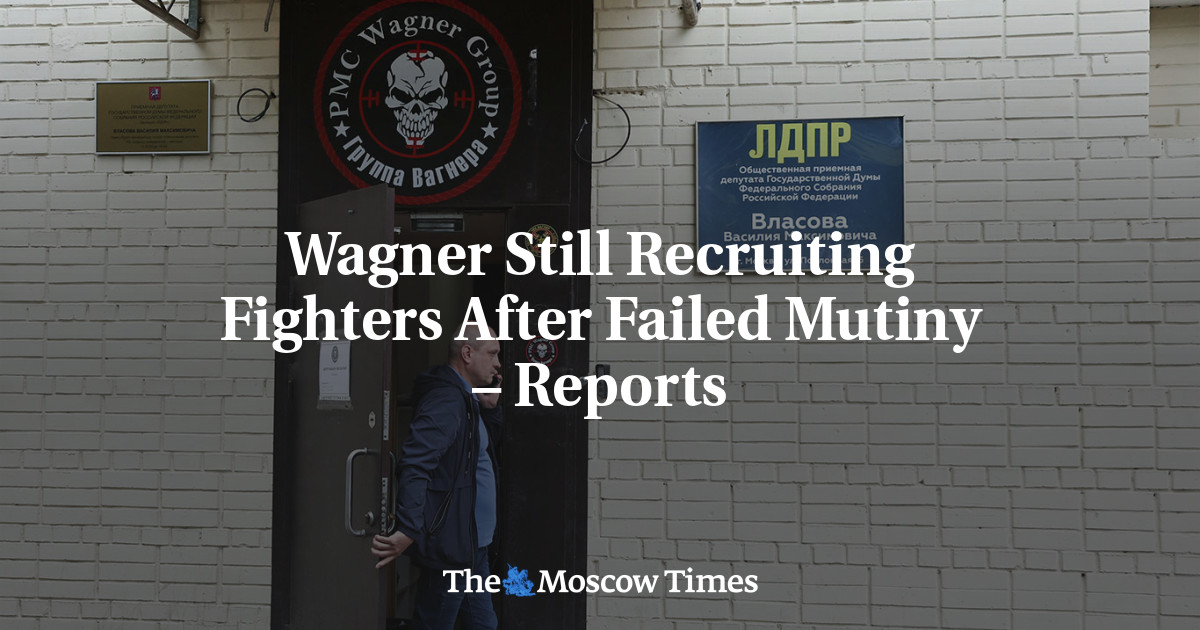
Wagner Still Recruiting Fighters After Failed Mutiny – Reports - The Moscow Times
Yevgeny Prigozhin’s Wagner mercenary outfit continues to recruit fighters despite his exile in Belarus following a short-lived mutiny last weekend, according to multiple media reports. “Everything’s the same as before, for now.
themeistersinger
Footballguy
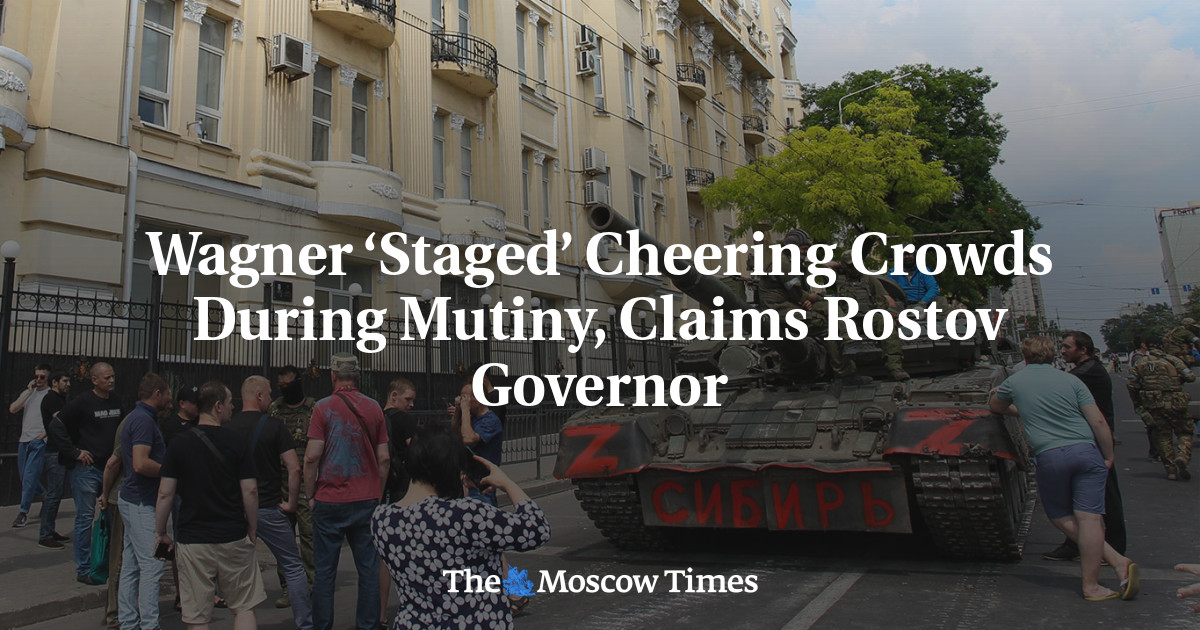
Wagner ‘Staged’ Cheering Crowds During Mutiny, Claims Rostov Governor - The Moscow Times
Public displays of support shown for Wagner mercenaries in southern Russia’s Rostov-on-Don as they took control of a military headquarters last weekend were "staged,” the regional governor said Thursday. Rostov region Governor Vasily Golubev disputed claims that locals in the regional capital...
themeistersinger
Footballguy
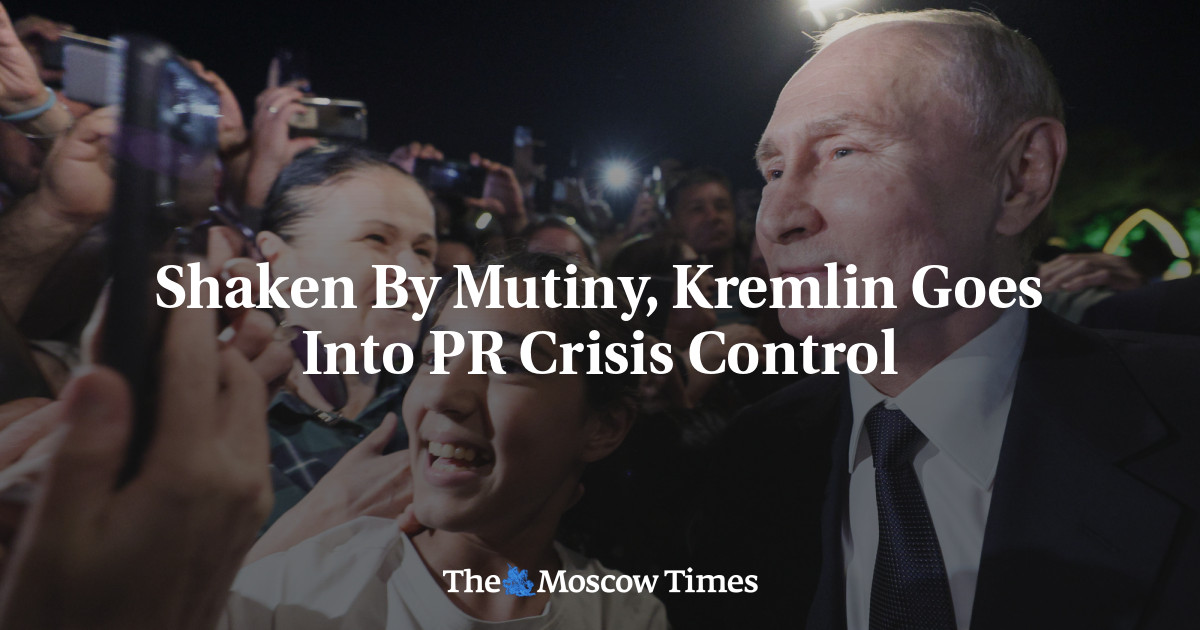
Shaken By Mutiny, Kremlin Goes Into PR Crisis Control - The Moscow Times
The Kremlin has ordered a major PR damage control effort in the five days since armed Russian mercenaries seized a southern city and came within 200 kilometers of the capital with barely any resistance, Russian officials told The Moscow Times.
themeistersinger
Footballguy
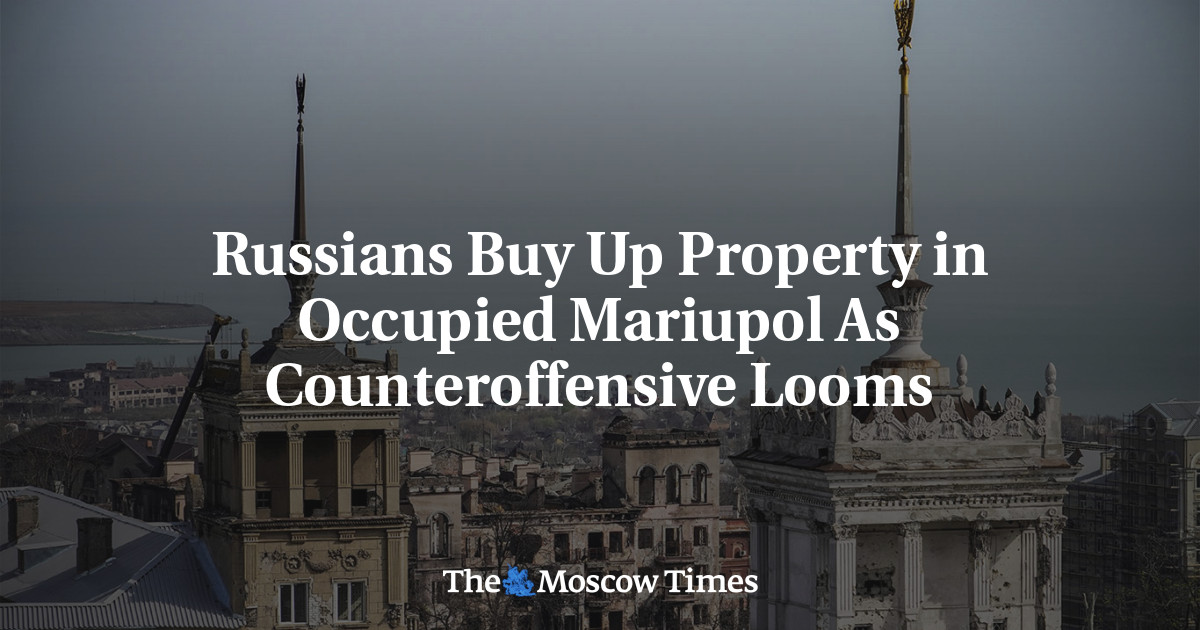
Russians Buy Up Property in Occupied Mariupol As Counteroffensive Looms - The Moscow Times
Russians are buying up real estate in the occupied Ukrainian port city of Mariupol, over a year after a relentless siege by Moscow left it mostly in ruins, the independent news outlet Bumaga reported.

The Z Machine
Footballguy
Who is selling the property? Not Ukrainians that actually owned those places. I bet the Russian state and municipal authorities are just fleecing people from other regions who think the war is nearly over and that Mariupol will remain in Russian territory.Russians Buy Up Property in Occupied Mariupol As Counteroffensive Looms - The Moscow Times
Russians are buying up real estate in the occupied Ukrainian port city of Mariupol, over a year after a relentless siege by Moscow left it mostly in ruins, the independent news outlet Bumaga reported.www.themoscowtimes.com
Dinsy Ejotuz
Footballguy
Sure sounds like Russia is going to blow the nuclear power plant.
I'd seriously consider a missile strike on a Russian plant to emphasize that nuclear activity will always draw an equivalent response. MAD only works if the "assured" part is actually assured.
I'd seriously consider a missile strike on a Russian plant to emphasize that nuclear activity will always draw an equivalent response. MAD only works if the "assured" part is actually assured.
The Z Machine
Footballguy
How do you know this? And by "blow" what do you mean? Like sabotage and and an uncontrolled meltdown? Are they gonna rupture the containment building to allow radioactive material release?Sure sounds like Russia is going to blow the nuclear power plant.
themeistersinger
Footballguy

Investigative Stories from Ukraine: Massive leak reveals how Putin’s oligarchs evaded Western sanctions imposed due to Ukraine invasion
Welcome to Investigative Stories from Ukraine, the Kyiv Independent's newsletter that walks you through the most prominent investigations of the past week. If you are fond of in-depth journalism that exposes war crimes, corruption and abuse of power across state organizations in Ukraine and...
Chadstroma
Footballguy
Per Ukrainian Intelligence, they have one of the power plants rigged to blow the cooling pool.How do you know this? And by "blow" what do you mean? Like sabotage and and an uncontrolled meltdown? Are they gonna rupture the containment building to allow radioactive material release?Sure sounds like Russia is going to blow the nuclear power plant.
Chadstroma
Footballguy
Russians Buy Up Property in Occupied Mariupol As Counteroffensive Looms - The Moscow Times
Russians are buying up real estate in the occupied Ukrainian port city of Mariupol, over a year after a relentless siege by Moscow left it mostly in ruins, the independent news outlet Bumaga reported.
Propaganda is a helluva drug.
“It’s scary that fighting can break out again, but the war won’t go on forever,” Irina, a property buyer from the Siberian city of Krasnoyarsk, told Bumaga.
“Our borders are securely protected by [Russia’s] Armed Forces and the war is nearing its logical end,” said another buyer, Eldar.
themeistersinger
Footballguy
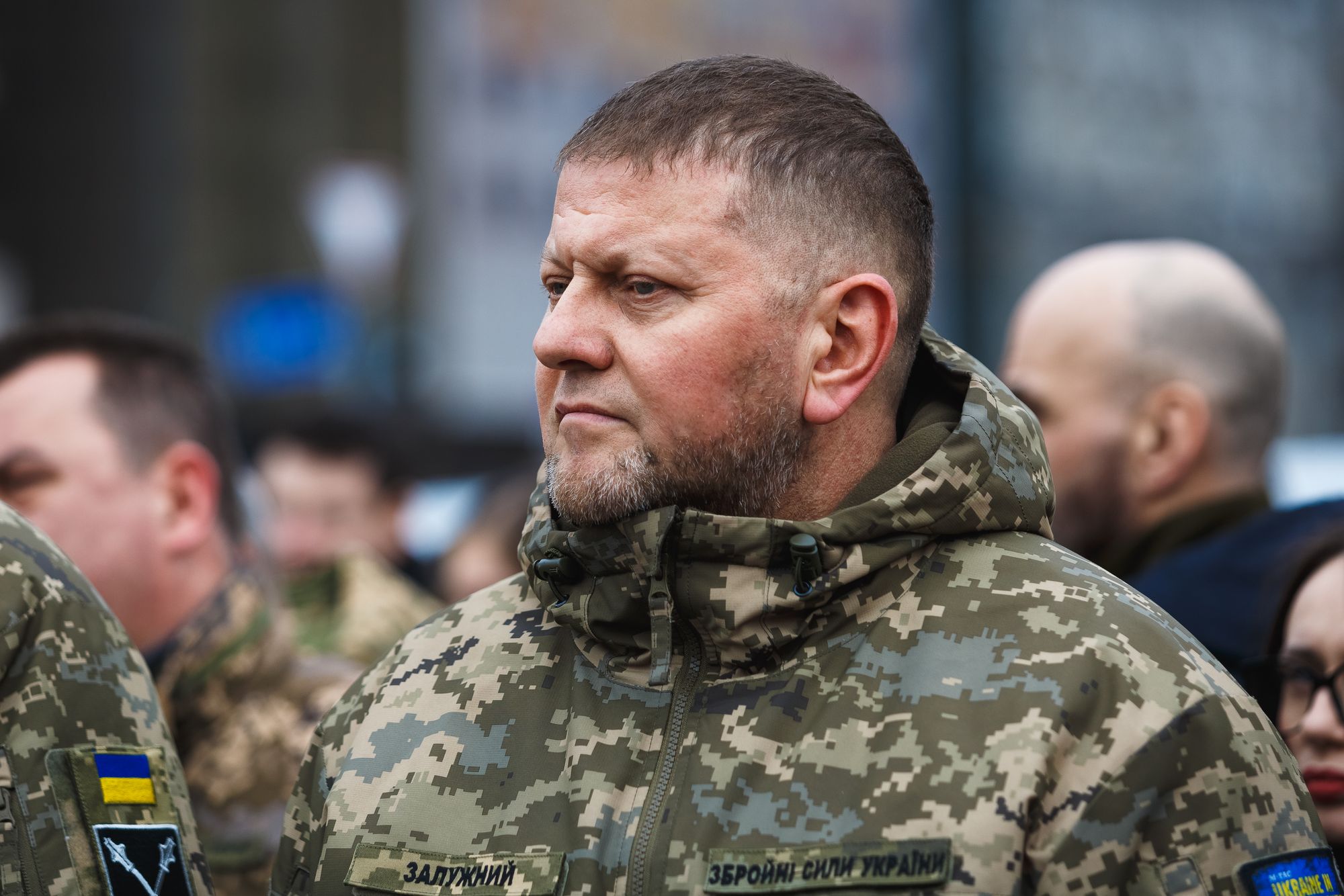
Zaluzhnyi: Counteroffensive underequipped but advances daily
Ukrainian forces are advancing "at least 500 meters" every day in the counteroffensive despite the lack of crucial hardware like F-16 fighter jets, the Ukrainian armed forces' commander-in-chief Valerii Zaluzhnyi said in an interview the Washington Post published on June 30.
themeistersinger
Footballguy
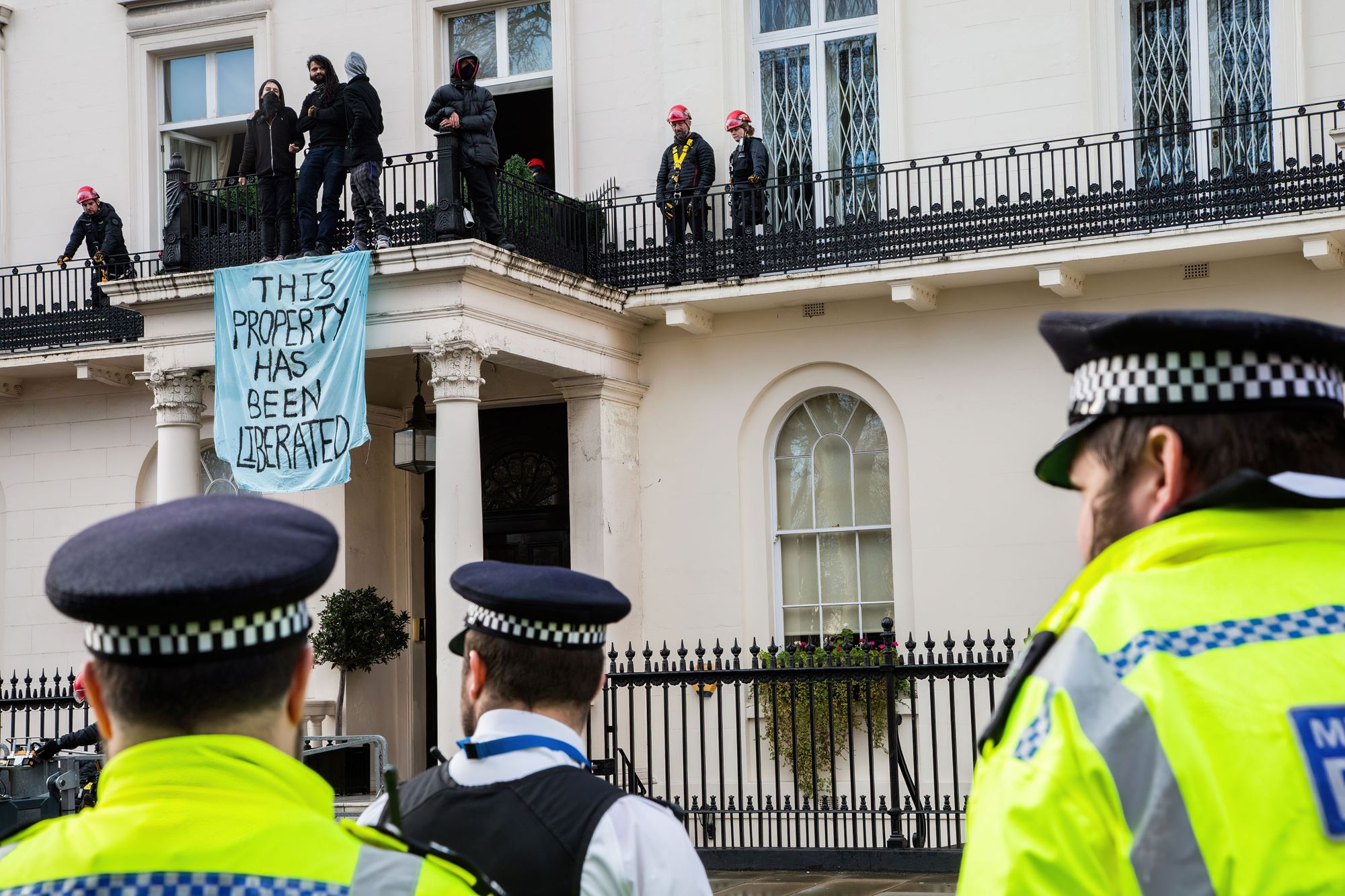
A year into full-scale invasion, West struggles to seize Russian assets for Ukraine
Hundreds of potential international investors met with top Ukrainian and Western officials in London in late June to discuss how to rebuild the country, ravaged by Russia’s war. Those attending the Ukraine Recovery Conference (URC) were unanimous — Russia should foot the bill. Said bill is...
themeistersinger
Footballguy

Intelligence chief: Russia's FSB is assigned to kill Prigozhin
After Wagner Group's short-lived rebellion, Russia's Federal Security Service (FSB) was tasked with liquidating mercenary boss Yevgeny Prigozhin, according to Ukraine's military intelligence chief Kyrylo Budanov.
Chadstroma
Footballguy
North Korea was supplying them with shells and I would not be surprised at all if we ever found out that China is supplying N. Korea with shells as well who then turns to supply Russia. How much? Who knows. I am sure N. Korea's capability to manufacture is limited but if China is involved through N. Korea then they can close that gap. The whole gap? No. But then again, the starting point that they have from the days of Soviet stockpiles was ridiculously large.Russia is shooting 60k artillery shells a day and can make 20k a month. I'm not great at math but that seems unsustainable
I feel like calling these “intelligence leaks” is a bit of a misnomer, because that would imply an ability to actually contain anything. Anyone else remember when they were supposed to have this sophisticated spy network, or was that all Hollywood stuff in the movies?Intelligence chief: Russia's FSB is assigned to kill Prigozhin
After Wagner Group's short-lived rebellion, Russia's Federal Security Service (FSB) was tasked with liquidating mercenary boss Yevgeny Prigozhin, according to Ukraine's military intelligence chief Kyrylo Budanov.kyivindependent.com
Dinsy Ejotuz
Footballguy
They're denying that the explosion that hasn't happened yet is their work and blaming Ukraine for it, mostly.How do you know this?
Chadstroma
Footballguy
FSB isn't KGB level plus I think there are a lot of vying factions within the Russian military and intelligence communities under the overall power of Putin.... the war and now mutiny is pushing those up to the surface and making them more powerful.I feel like calling these “intelligence leaks” is a bit of a misnomer, because that would imply an ability to actually contain anything. Anyone else remember when they were supposed to have this sophisticated spy network, or was that all Hollywood stuff in the movies?Intelligence chief: Russia's FSB is assigned to kill Prigozhin
After Wagner Group's short-lived rebellion, Russia's Federal Security Service (FSB) was tasked with liquidating mercenary boss Yevgeny Prigozhin, according to Ukraine's military intelligence chief Kyrylo Budanov.
That’s fair, but that just makes me question the effectiveness of the KGB, at least towards the end of the Cold War. They were probably fairly successful, at least early, but I get the feeling that they were decidedly less so, at least abroadFSB isn't KGB level plus I think there are a lot of vying factions within the Russian military and intelligence communities under the overall power of Putin.... the war and now mutiny is pushing those up to the surface and making them more powerful.I feel like calling these “intelligence leaks” is a bit of a misnomer, because that would imply an ability to actually contain anything. Anyone else remember when they were supposed to have this sophisticated spy network, or was that all Hollywood stuff in the movies?Intelligence chief: Russia's FSB is assigned to kill Prigozhin
After Wagner Group's short-lived rebellion, Russia's Federal Security Service (FSB) was tasked with liquidating mercenary boss Yevgeny Prigozhin, according to Ukraine's military intelligence chief Kyrylo Budanov.
Don't Toews Me
Footballguy
What distinguishes the current situation is Putin's progressive loss of initiative in dealing with domestic issues. His heightened emotional state makes him more susceptible to manipulation. We appear to be observing a new phase in Putin's regime, where his entourage is becoming more actively involved in shaping its trajectory.
Zaluzhny might be pissed off by people saying the offensive has had a slow start, but it's unfortunately true—however much people on Twitter don't want to hear it. That isn't my view, it's the view of multiple officials familiar with the details.
Also true that those near to him privately accept it has been very tough going. But they say it was always going to be thus.

Can Ukraine capitalise on chaos in Russia?
Ukraine’s counter-offensive is going slowly
For now, Ukraine is making slower progress than many American and European officials had hoped. “It is still too early to tell how successful the ongoing counteroffensive will be,” acknowledged General Sir Patrick Sanders, Britain’s army chief, on June 26th, adding: “Russia has been a country of comebacks.” Ukraine has yet to commit the majority of its new Western-equipped brigades. But its initial attacks against well-defended Russian positions, including minefields, have exposed its troops’ limited training. They have taken heavy casualties, according to people familiar with the details.
Ukrainian commanders want to protect their depleted forces; Western advisers retort that a lack of shock and momentum will cost more lives in the longer term. A Ukrainian military-intelligence source complains that the country is moving as fast as it can, given the tools at its disposal. “Let me put this as diplomatically as I can,” he says. “Certain partners are telling us to go forward and fight violently, but they also take their time delivering the hardware and weapons we need.”
Don't Toews Me
Footballguy
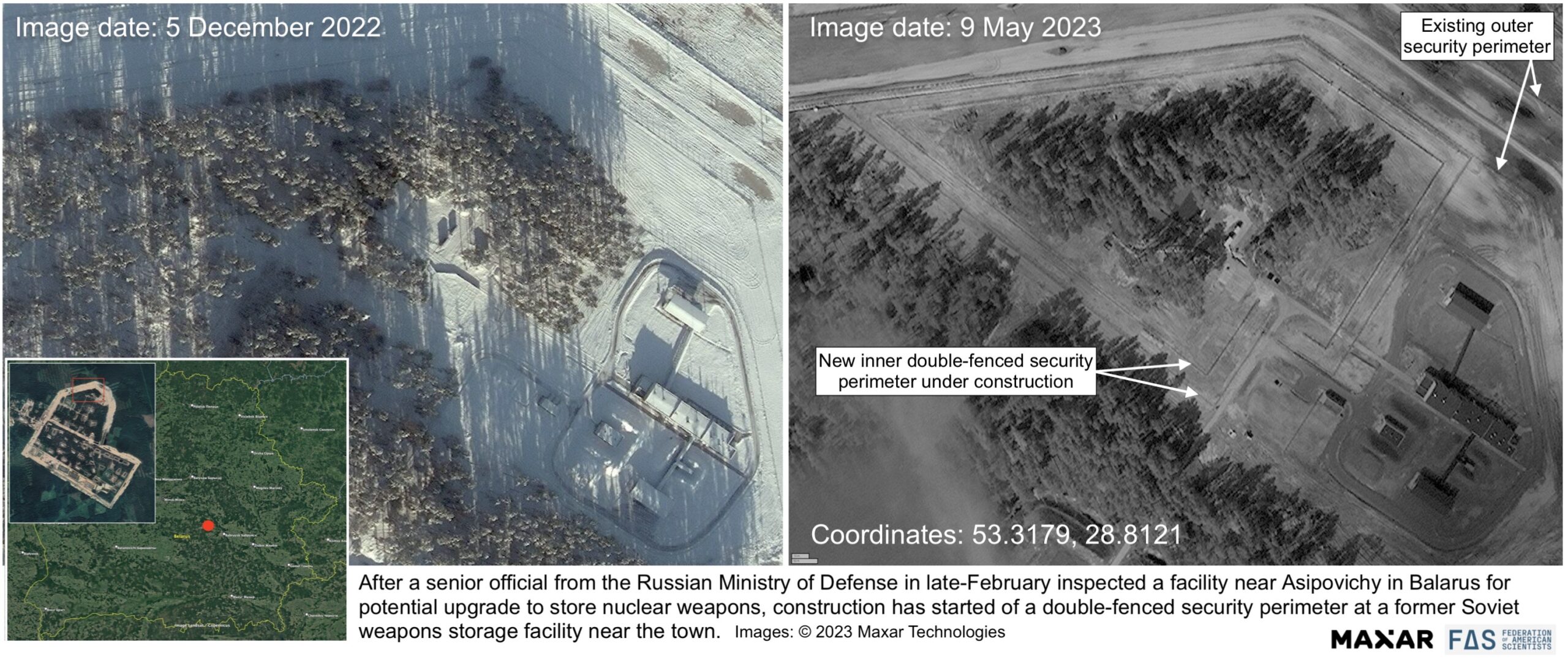
Russian Nuclear Weapons Deployment Plans in Belarus: Is There Visual Confirmation? - Federation of American Scientists
New satellite images show that the construction of a double-fenced security perimeter is underway at a weapons depot near the town of Asipovichy in central Belarus.
It is important to emphasize upfront that at this stage, we are not able to make a positive identification that this site is intended for or will definitively be used to store Russian nuclear weapons in Belarus. As we discuss in detail below, while the construction timeline and some signatures correlate with a potential nuclear storage site, other signatures do not, and these raise uncertainty about the purpose of the upgrade at the Asipovichy depot. In fact, overall, we are underwhelmed by the lack of visual evidence of the construction and infrastructure that would be expected to support the deployment of Russian nuclear weapons in Belarus. We have also surveyed satellite imagery of numerous other military facilities at locations mentioned in various reports, but we have yet to find visual evidence that conclusively indicates the presence of an active nuclear weapons facility on the territory of Belarus.
In total, the facility upgrade at Asipovichy is important to monitor given the CIA report about Russia nuclear-related storage inspections in the area. So far, however, our observations and analyses show no clear observable indicators of construction of the facilities we expect would be needed to support transport and deployment of Russian nuclear weapons into Belarus. As always, we don’t know what we don’t know and it is of course possible that there are other facilities that we are not aware of that would indicate nuclear weapons activities.
Similar threads

- Locked
- Replies
- 9
- Views
- 1K

![[icon]](/data/avatars/s/5/5167.jpg?1660313464)
- Locked
- Replies
- 3
- Views
- 2K
Users who are viewing this thread
Total: 2 (members: 0, guests: 2)