
Don't Toews Me
Footballguy
Russian Offensive Campaign Assessment, March 13, 2025
Ukraine Hits Moscow With Drones After US Envoy Traveled to Putin
From daring invasion to rapid retreat: the end of Ukraine’s Kursk gambit
Russian forces continue to clear Ukrainian forces from Sudzha and its environs as Russian troops advance closer to the border in Kursk Oblast slowed on March 13 compared to recent days. Ukrainian Commander-in-Chief General Oleksandr Syrskyi stated on March 12 that he ordered Ukrainian forces to withdraw from some unspecified positions within the Kursk salient and move to more advantageous defensive positions in Kursk Oblast in order to save Ukrainian lives.
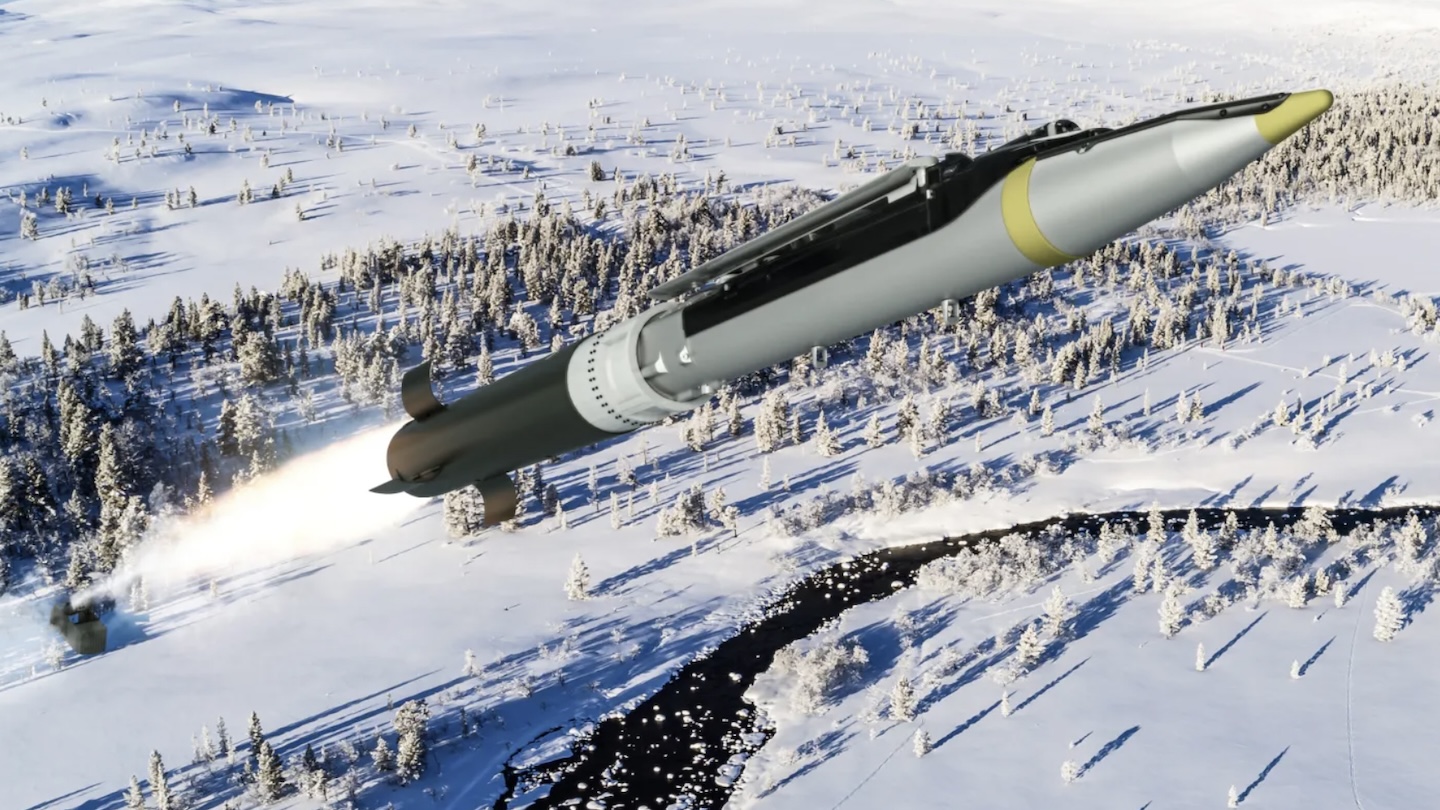
A Russian milblogger continued to claim that renewed Ukrainian HIMARS strikes are slowing the rate of Russian advances south of Sudzha.
Russian forces also marginally advanced in northern Sumy Oblast. Geolocated footage published on March 12 indicates that Russian forces advanced northwest of Basivka (northeast of Sumy City). Syrskyi stated that Russian airborne (VDV) and Spetsnaz forces are attacking along the international border and attempting to advance further into Sumy Oblast.
A Ukrainian source affiliated with Ukrainian military intelligence stated on March 13 that Russian forces are using all-terrain vehicles (ATVs) in northern Sumy Oblast and are attempting to leverage their manpower advantage to advance in the area.
Russian milbloggers theorized on March 13 that Russian forces may launch an organized offensive operation into northern Sumy Oblast in the coming weeks and months and may also attack into Chernihiv Oblast — in line with Russian President Vladimir Putin's March 12 statements. One Russian milblogger claimed that an offensive into Sumy Oblast would significantly strengthen Russia's position in future peace negotiations.
Ukraine Hits Moscow With Drones After US Envoy Traveled to Putin
Ukraine will likely have to fully withdraw from territory in Kursk it seized in a surprise August incursion, potentially as soon as within a week, according to an official familiar with a US assessment. Kyiv had hoped those areas could be used as a bargaining chip in negotiations with Moscow, but Russian forces have been steadily reclaiming the land.
From daring invasion to rapid retreat: the end of Ukraine’s Kursk gambit
Last summer, Artem Kariakin was among the first Ukrainian soldiers to cross the border and capture Russian territory in the Kursk region — in a surprise offensive aimed at strengthening Kyiv’s hand in any talks on ending the war.
Now, as those talks finally begin, he finds himself racing to retreat. With Russian forces closing in on Sudzha, the biggest town Ukraine had captured and where he was based, Kariakin piled gear and fellow troops into a pick-up truck and sped for the border.
“We put a guy in the back with a machine gun to try and shoot down any drones above us, switched on our jammers, crossed ourselves, and set off,” he told the Financial Times. “The main thing was just to get out of there.”
Kariakin, 27, said he continues to cross into the Kursk region every day to evacuate Ukrainian troops — many of whom trek dozens of kilometres on foot to ride out in his truck, as the main road is under constant Russian fire. Still, he said he was not surprised at Russia pushing them out.
“Our problems started long before this,” he said.
Ukraine caught its adversary off guard when it began its incursion on August 6, more than two years after the start of Russia’s full-scale invasion. Kyiv’s forces managed at one point to seize some 1,300 sq km of Russian territory. But over the first few weeks the area they were able to hold became a narrow wedge.
“It is no secret that the zone of our incursion, it should have been wider,” Kariakin said. “A wide area along the border would have been much more comfortable.”
Instead, Russian troops surrounded Ukraine’s occupying forces on three sides. It was a precarious position and became increasingly difficult to hold.
The operation’s goals changed on the go, said a person familiar with the original Ukrainian plan for the incursion. Initially, it was intended as a deep but short-term raid, the person said. But then the plan shifted to holding land — exposing Kyiv’s troops to bigger risks.
Kariakin, who hails from a town in the Donbas area of eastern Ukraine that has been occupied by Russia since 2014, said he felt satisfaction but also discomfort finding himself part of an occupying force. “Most of all we wanted to be in the Donbas, fighting for our own land,” he said.
Sudzha, where the Ukrainians set up a command post, remained quiet for the first months of the incursion, Kariakin said. But in battles on the fringes of the Ukrainian-held territory, Russian forces were inching in. Soon, Kyiv’s troops were left with just one road out to Ukraine.
“Russian forces were steadily compressing the pocket and interdicting the main resupply routes,” military analyst Michael Kofman said. “At a certain point, it was simply no longer tenable to sustain these forces.”
“Day X” came in late December, when a vehicle on the single remaining supply road was hit by a Russian drone, Kariakin said.
“Before then, they’d never reached the motorway,” he said. “This was the beginning of the end of our logistics in the Kursk region.” His account was corroborated by at least one other Ukrainian soldier stationed in the area.
From that point on, swarms of drones would target anything that moved on the road, Kariakin said, making it extremely difficult to resupply troops. Medical evacuations soon became almost impossible, he said, and ground forces got stuck in trenches for weeks on end, unable to rotate.
By February, the situation seemed increasingly untenable. “It was getting worse and worse,” Kariakin said. The single road was now under constant Russian fire, and slow and muddy back roads through fields were also getting hit. “Making the journey was always 50-50, and unfortunately not everyone made it,” he said.





 Thread:
 @Maxar


![[icon]](/data/avatars/s/5/5167.jpg?1660313464)